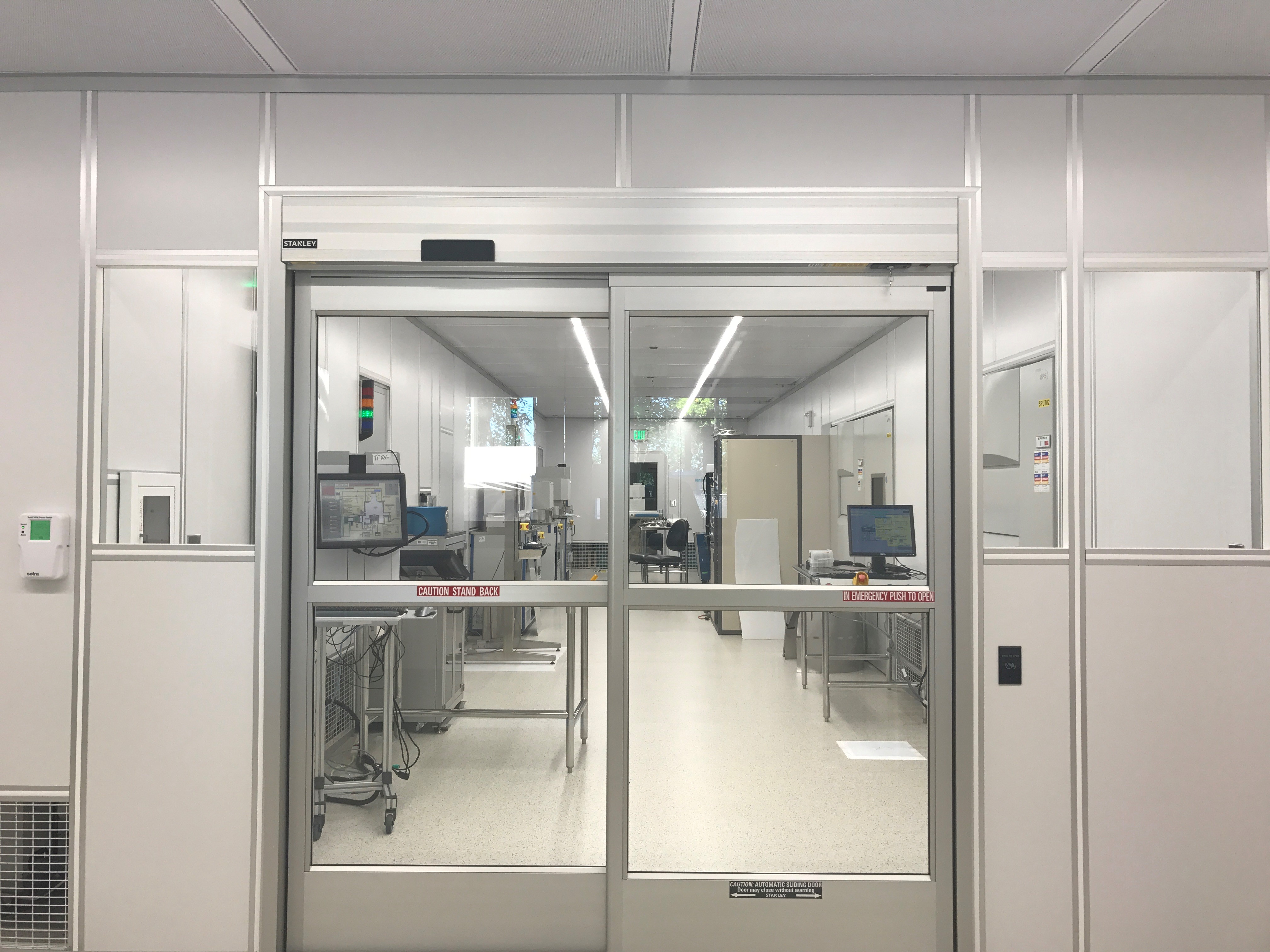
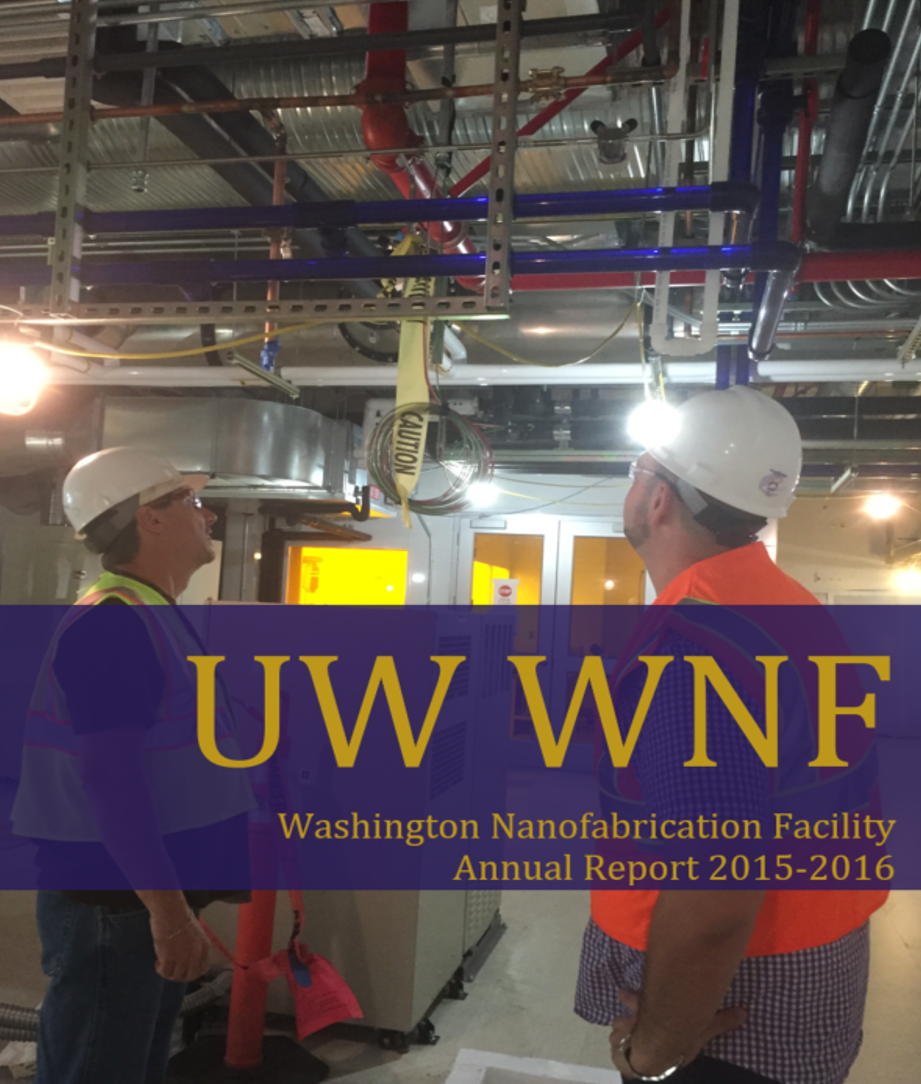
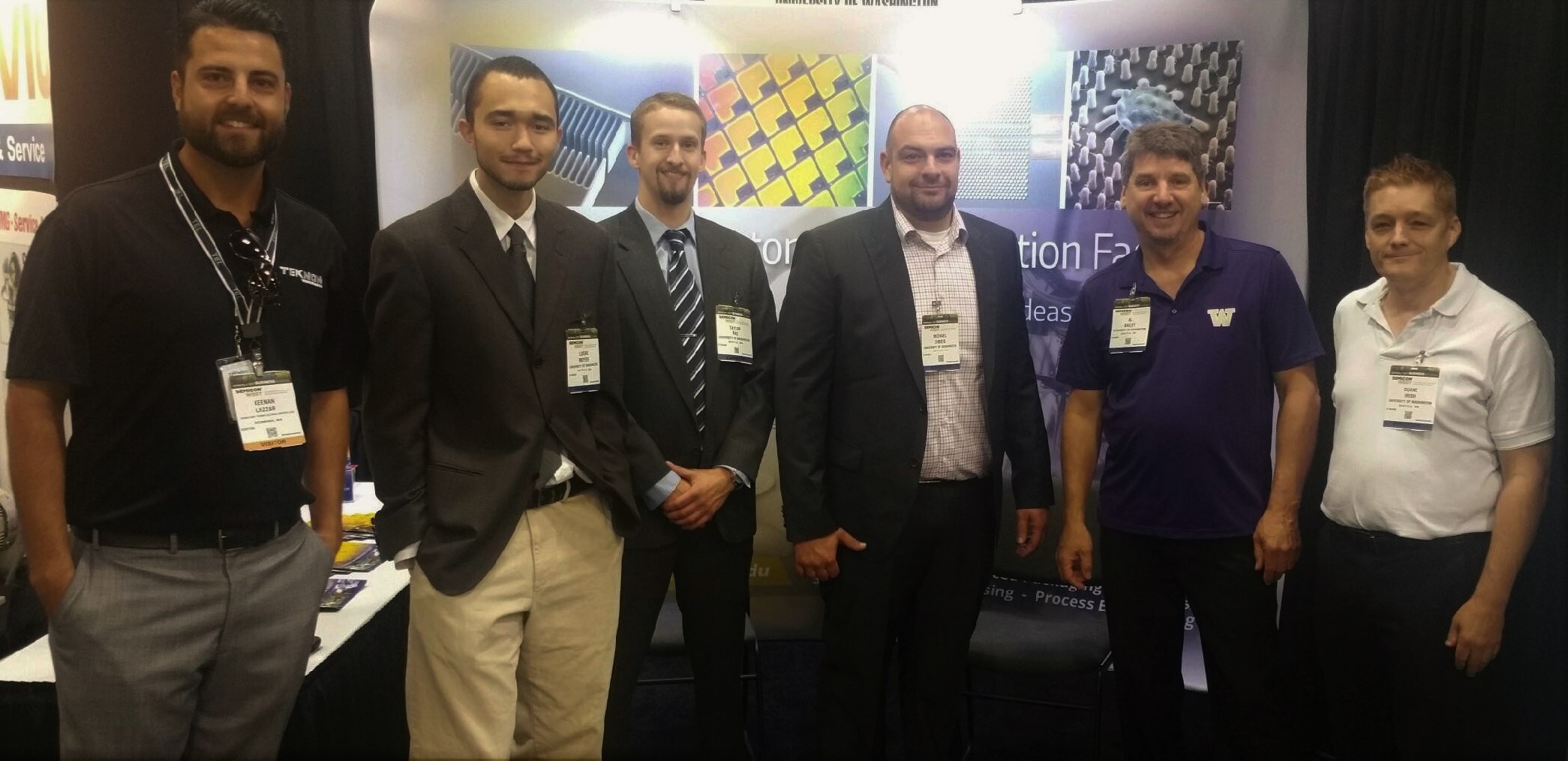
On October 24, 2017, The University of Washington National Nanotechnology Coordinated Structure (NNCI) Washington Nanofabrication Facility (WNF) officially opened the doors of its remodeled facility – a 15,000 square-foot space that offers an open-access cleanroom and expert resources to users. The environment further enhances the shared discovery and dissemination of new technologies focused on nanotechnology and fabrication processes.
WNF celebrates completion of $37M remodel project